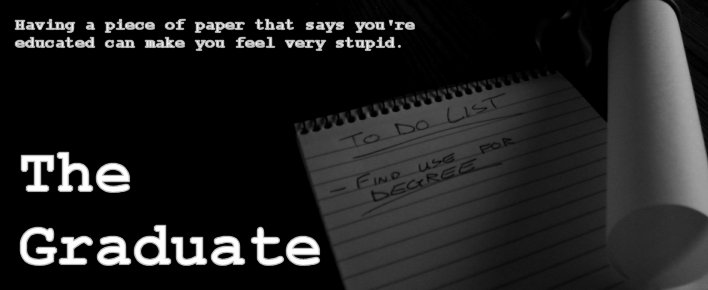
I finally retook an exam that I had failed over the weekend. I feel better now, but equally terrified.
Just to provide a quick background, my GDL law course that I recently finished off comprised of 7 major exams for 7 main topics, 1 research assignment that had to manifest in a 5,000 word essay, 1 case analysis test where we were given a fictitious chain of events to disassemble, and 1 statute analysis test. The statute analysis test involved being given a real statute to read through and then being asked questions relating to it and the methodology required to analyse a statute in general. The test was online, two hours long, and multiple choice. It was considered one of the easiest assignments and just about everyone got over 70% in their results…..except for yours truly who got an absolutely pitiful 35%.
At first I might have been indignant that the computer could have made such a ridiculous mistake, but on further contemplation, I realise that multiple choice just isn’t my thing. The substantive exams weren’t a problem. More stressful as anything I’ve done before, but unambiguous and straight forward armed with the right knowledge. The multiple choice exam was question after question with four answers that all essentially said the same thing.
I found myself analysing the questions and answers more than the statute. I was also unsatisfied by the wording of some of the answers and found them to be more ambiguous than the wording of the statute itself and some questions where I could actually think up a more appropriate answer myself than the four listed. As a result, I’m not sure if I’ve struck idiot-gold once again and blundered into a second failure. If this happens, I’m honestly not too sure what will happen to me or my overall status on completing the course. I guess I’d fail, which would be a crushing shame, not to mention wholly embarrassing for myself.
The worst part about taking and failing multiple choice exams is of course knowing that you’ve been asked a question for which the answer is actually in front of you, and you still can’t get it right.
Regardless of all of this however, I have now completely finished everything I have to do and can now concentrate on more enjoyable personal goals, such as any writing projects that I’ve been putting off.
Additional Notes:
I was going to give examples of how the test seemed to contradict itself, but seeing as the deadline is technically Thursday and there might be people yet to take it, despite the fact I have probably two readers, neither of which are doing this exam, it might mean I could be liable for cheating by discussing the exam content publicly. That would be an even more stupid way of failing my course: Complaining about failing my course due to an easy exam that I’m worried of failing.
As it happened, I very nearly sat down and wrote a whole host of things yesterday, but decided to have lunch instead and then pretty much forgot about the whole thing.
Showing posts with label Learning. Show all posts
Showing posts with label Learning. Show all posts
Monday, 22 June 2009

Tuesday, 2 June 2009
Back to Normal
After a brief stint of student-ship, I am now back to the treadmill of life and the setting is probably just one notch faster than is strictly comfortable at the moment, but that might just be because I’m not making the effort to keep up.
The things I have done
Over the last couple of months that things have been a little quiet here, I have knuckled down to revise for my law exams and taken them to varying degrees of success, leaving 99% of my course complete, putting me in the position of a fresh law graduate, with the crucial difference of actually having a day job.
I have also experimented in not drinking alcohol; an experiment that reached a natural conclusion of “yes, this isn’t a bad idea” before normal service swiftly resumed and I was reminded about what hangovers are like. Further tests have proved that no, the Erdinger I had a couple of months ago was not in fact off, that’s just what it does to you.
Also, in amongst my academic activities, I have started a couple of writing projects that may reach completion and that I hope to push out to a few places to see if my writingness is of a capable quality and goodness.
The things I have learnt
First of all, it is possible to enjoy something you have resented for a good six months. Towards the latter days of my law studies, I found myself utterly detesting all aspects of the subjects I had to study. Criminal Law is rather depressing, Equity and Trusts occasionally confusing, and Land Law…well, you try and read through your lease or mortgage agreement carefully, making notes of all the little clauses and provisions, and you can get a glimpse of what Land Law is like. However, towards the end during my revision, I found myself enthralled by the intricacies (with the possible exception of Land law) and found myself debating the merits of the criminal justice system with strangers on the tube.
I have also learnt that just because you like something, it doesn’t mean it can’t stress you out to an inordinate degree. I suppose anyone that’s been in a long term relationship could tell you the same thing. The exams that I took, in particular the first one, were the most terrifying I have ever had. I genuinely wasn’t sure if I could make it through them, because in my mind, I just hadn’t put the work in during the year. Normally I get by on minimal revision because I’ve paid attention and remembered stuff throughout the year, but this time I found myself doing it the other way round, or what most people would describe as “the normal way”.
Another thing I have picked up on is my ability to be more content when I think I’m working towards something. At some point, it became relatively clear to me that I wasn’t going to end up training as a lawyer fully and that I would find a different direction in life, but the mere act of going to my tutorials and lectures every week let my brain assume that I was doing something that would take me somewhere and that it didn’t have to worry about that anymore. In truth, I think this is probably what most people do; they don’t know where they’re going or what they’re going to do when they get there, but there brain assumes they must have got it figured out, because if they haven’t, then why the hell are they doing that-particular-thing-that-would-naturally-lead-to-that?
The direction to take from here
For the moment I am staying where I am and doing what I have been doing. How wise this is, I don’t know. How plausible anything else is, I also don’t know. I have however heard that now is a good time to go into politics, so who knows? The next time I wake up with a hangover, perhaps it will be off to the local recruiting station and signing up to the front line of whichever political argument is the flavour of the month.
Additional Notes
Saying something like “I suppose anyone that’s been in a long term relationship could tell you the same thing” is a really good way for me to find out if my girlfriend does actually read this…
I’ve actually missed writing in this. I probably need to work on my blog-ability though. Having read a few blogs of late, I can see that slightly shorter posts are probably the way to go. My long pointless rambling style means very few people make it down this far.
If you made it this far by the way, thanks and congratulations! You win!
The things I have done
Over the last couple of months that things have been a little quiet here, I have knuckled down to revise for my law exams and taken them to varying degrees of success, leaving 99% of my course complete, putting me in the position of a fresh law graduate, with the crucial difference of actually having a day job.
I have also experimented in not drinking alcohol; an experiment that reached a natural conclusion of “yes, this isn’t a bad idea” before normal service swiftly resumed and I was reminded about what hangovers are like. Further tests have proved that no, the Erdinger I had a couple of months ago was not in fact off, that’s just what it does to you.
Also, in amongst my academic activities, I have started a couple of writing projects that may reach completion and that I hope to push out to a few places to see if my writingness is of a capable quality and goodness.
The things I have learnt
First of all, it is possible to enjoy something you have resented for a good six months. Towards the latter days of my law studies, I found myself utterly detesting all aspects of the subjects I had to study. Criminal Law is rather depressing, Equity and Trusts occasionally confusing, and Land Law…well, you try and read through your lease or mortgage agreement carefully, making notes of all the little clauses and provisions, and you can get a glimpse of what Land Law is like. However, towards the end during my revision, I found myself enthralled by the intricacies (with the possible exception of Land law) and found myself debating the merits of the criminal justice system with strangers on the tube.
I have also learnt that just because you like something, it doesn’t mean it can’t stress you out to an inordinate degree. I suppose anyone that’s been in a long term relationship could tell you the same thing. The exams that I took, in particular the first one, were the most terrifying I have ever had. I genuinely wasn’t sure if I could make it through them, because in my mind, I just hadn’t put the work in during the year. Normally I get by on minimal revision because I’ve paid attention and remembered stuff throughout the year, but this time I found myself doing it the other way round, or what most people would describe as “the normal way”.
Another thing I have picked up on is my ability to be more content when I think I’m working towards something. At some point, it became relatively clear to me that I wasn’t going to end up training as a lawyer fully and that I would find a different direction in life, but the mere act of going to my tutorials and lectures every week let my brain assume that I was doing something that would take me somewhere and that it didn’t have to worry about that anymore. In truth, I think this is probably what most people do; they don’t know where they’re going or what they’re going to do when they get there, but there brain assumes they must have got it figured out, because if they haven’t, then why the hell are they doing that-particular-thing-that-would-naturally-lead-to-that?
The direction to take from here
For the moment I am staying where I am and doing what I have been doing. How wise this is, I don’t know. How plausible anything else is, I also don’t know. I have however heard that now is a good time to go into politics, so who knows? The next time I wake up with a hangover, perhaps it will be off to the local recruiting station and signing up to the front line of whichever political argument is the flavour of the month.
Additional Notes
Saying something like “I suppose anyone that’s been in a long term relationship could tell you the same thing” is a really good way for me to find out if my girlfriend does actually read this…
I’ve actually missed writing in this. I probably need to work on my blog-ability though. Having read a few blogs of late, I can see that slightly shorter posts are probably the way to go. My long pointless rambling style means very few people make it down this far.
If you made it this far by the way, thanks and congratulations! You win!
Wednesday, 1 April 2009
3 Tips to Help with Revision
As I rapidly approach my final exams for my law course, I realise that it was naïve to the think my days of preparing for exams were at an end in my final year of university. Even if in the future, I never take another exam in my life, I’m sure I will still face some form of revision in my professional capacity, whatever that may entail. Everyone needs to revise things every now and then; they just probably don’t acknowledge that they are doing it. Below are three quick tips that you probably already know.
Re-Vision: Seeing again
This first piece of advice is probably not terribly helpful to most people, but it really helps if you’ve looked at everything that you are trying to revise already during the year. Revision essentially means “to look at again”, so if you find yourself learning new things, you don’t need help on how to revise, you need help on how to learn.
Not All At Once
I find it maddening to look at all of the things I need to know because there’s an instinctive reaction that tells you that you need to go over it all at once. Some people like making revision time tables, some people just get on with it one bit at a time. Although the time table is a good idea, I know I would probably spend too much time working on the table that would be better spent on the actual revision. Whatever you do, breaking it down in to manageable chunks is the way forward.
Recognize when a study group is no good.
There’s a massive temptation to cluster together with everyone else revising. I personally can’t stand this, because I just find that everyone ends up scaring each other stupid with various bits of random knowledge they’ve absorbed that is different from what everyone else has. There can however be times when it’s a good idea to ask for help.
Additional Notes:
I really hate revision, but it’s like most things: Once you get into it, it can be good fun. However, it’s the kind of fun like going for a run, or writing an essay: It’s fun when it’s finished.
Re-Vision: Seeing again
This first piece of advice is probably not terribly helpful to most people, but it really helps if you’ve looked at everything that you are trying to revise already during the year. Revision essentially means “to look at again”, so if you find yourself learning new things, you don’t need help on how to revise, you need help on how to learn.
Not All At Once
I find it maddening to look at all of the things I need to know because there’s an instinctive reaction that tells you that you need to go over it all at once. Some people like making revision time tables, some people just get on with it one bit at a time. Although the time table is a good idea, I know I would probably spend too much time working on the table that would be better spent on the actual revision. Whatever you do, breaking it down in to manageable chunks is the way forward.
Recognize when a study group is no good.
There’s a massive temptation to cluster together with everyone else revising. I personally can’t stand this, because I just find that everyone ends up scaring each other stupid with various bits of random knowledge they’ve absorbed that is different from what everyone else has. There can however be times when it’s a good idea to ask for help.
Additional Notes:
I really hate revision, but it’s like most things: Once you get into it, it can be good fun. However, it’s the kind of fun like going for a run, or writing an essay: It’s fun when it’s finished.
Thursday, 12 March 2009
What Does a Writer Do?
I once asked a writer for some advice on how to improve my own writing and he replied with a question: “What does a writer do?”
When I get asked these sorts of questions, I tend to freeze up. Part of me knows that they’re looking for an obvious answer, yet the rest of me is too busy looking for the less obvious answer to listen. Also, I sometimes just freeze up when someone says something unexpected, or answers a question with a question; A lot of the time when I ask someone a question it’s because I’ve run out of things to say and I want them to talk for a bit. Regardless of all this, the answer that I failed to provide was that “a writer writes”. This should be obvious, and I felt a failure at the time for not blurting the answer out instantly, thus identifying myself as a quick thinking genius deserving of further tuition and that I would forever be a non-writer for not knowing such a basic function of my desired activity. It is probably the best advice I could ever regurgitate to anyone that wants to be a writer.
I always feel a little awkward describing myself as a writer, but I suppose that I am. I could even tenuously describe myself as a professional writer, seeing as I have written comics that have then been sold in a real life comic book shop and even this blog has adverts strewn across it that just occasionally make me a couple of pennies. I can only really see that it’s a confidence issue: Whether or not I chose to see myself as a writer is self perception and dependant on if I think my ramblings class as writing, but I am currently fulfilling the task of the writer in the sense that I am writing. I suppose I could further qualify this by saying I’m an “aspiring writer” or a “trainee writer” or “an out of work freelancer” or something along those lines, but at the end of the day I am still currently a writer, even if I’m not comfortable with that particular label.
Anything takes practice. It doesn’t matter what you’re trying to achieve in life, it’s going to need work. With writing, the only way to hone your craft is to get practice at it. I can’t see this as something that you can learn from a book, despite the fact you can almost definitely pick up some useful tips. A lot of tricks can undoubtedly be taught in a class room environment, but any of that should be accompanied by the learn-by-doing-approach. Seeing what works and what doesn’t work first hand is the linchpin of learning anything, and with writing it’s even more significant. With anything creative, you can’t approach it with a strict methodology for fear of it becoming a painting-by-numbers affair. I found this interview with Russel T Davis, the man responsible for the recent Doctor Who reboot as well as various other shows. What makes the interview interesting is the way he talks about what worked and what didn’t work in his earlier projects and it’s very clear that these sort of lessons are not the sort of thing you can learn from a book; you have to see the failure for yourself before you can avoid it again.
Getting on with something that you want to do in this way is not only a good way to develop your skills, but also to find out if it’s actually something you want to do. I love writing and I know that I want to do this. I also know that there are certain aspects that I don’t want to focus on, such as academic writing or technical writing. I think that a lot of people that want to be writers have some good ideas and would love to see them finished, but don’t necessarily like the idea of working on them for hours and days and months. They say everyone has a book in them, but I would say that very few people can get it out of them. On the other hand, I don’t think one should be disheartened if you don’t always feel like writing or get a huge amount of satisfaction out of every single sentence that you write. It takes a lot of effort to make yourself do this sort of thing and even more effort to continuously plug away at a single project. You do have to make yourself do it and fight the instinct to leave it for another day. I feel that you will know deep down if the slight apathy that you sometimes experience when you sit down to write is a genuine dislike for writing or if it’s just part of the general human condition which seems hell bent on making you vegetate in front of the television.
None of this is meant to be a criticism on anyone that may have taken some sort of creative writing course, or followed a “how to write your first novel” book, or anyone that follows any form of code or pattern of writing; anything along those lines will not hurt your writing, I just don’t think you can rely on it. I have a good friend who has done a high level creative writing course and some of the work that I’ve seen of his is good, but it’ll only get better if he keeps on writing.
In closing, a writer writes, so if you want to be a writer, start writing. A good place to start is a blog where you can tell everyone to do all the things that you keep meaning to do yourself.
Additional Notes:
I don’t think the question of “What does a writer do” was an original idea of the writer in question and I think he stole the advice from someone else. A bit like what I’m doing here.
On the subject of labels, I don’t disagree with calling myself a writer on a philosophical “labels box you in” kind of way, but more because I just feel like a fraud saying it.
In all seriousness, if you do start a blog, feel free to post a link to it in the comments of this thread. If I really like it, I might even create a permanent link on the sidebar, but don’t take it to heart if I don’t; it doesn’t mean you’re a bad writer. It probably means I haven’t noticed the comment, forgotten to put up the link, or decided against putting up links altogether.
In case anyone is interested, the BBC Writers room is pretty interesting and might provide the incentive you need to get going, even if the only thing I can really think is "how did a show like 'Robin Hood' or 'Merlin' get a second reading?". I guess some things just look better on paper...
When I get asked these sorts of questions, I tend to freeze up. Part of me knows that they’re looking for an obvious answer, yet the rest of me is too busy looking for the less obvious answer to listen. Also, I sometimes just freeze up when someone says something unexpected, or answers a question with a question; A lot of the time when I ask someone a question it’s because I’ve run out of things to say and I want them to talk for a bit. Regardless of all this, the answer that I failed to provide was that “a writer writes”. This should be obvious, and I felt a failure at the time for not blurting the answer out instantly, thus identifying myself as a quick thinking genius deserving of further tuition and that I would forever be a non-writer for not knowing such a basic function of my desired activity. It is probably the best advice I could ever regurgitate to anyone that wants to be a writer.
I always feel a little awkward describing myself as a writer, but I suppose that I am. I could even tenuously describe myself as a professional writer, seeing as I have written comics that have then been sold in a real life comic book shop and even this blog has adverts strewn across it that just occasionally make me a couple of pennies. I can only really see that it’s a confidence issue: Whether or not I chose to see myself as a writer is self perception and dependant on if I think my ramblings class as writing, but I am currently fulfilling the task of the writer in the sense that I am writing. I suppose I could further qualify this by saying I’m an “aspiring writer” or a “trainee writer” or “an out of work freelancer” or something along those lines, but at the end of the day I am still currently a writer, even if I’m not comfortable with that particular label.
Anything takes practice. It doesn’t matter what you’re trying to achieve in life, it’s going to need work. With writing, the only way to hone your craft is to get practice at it. I can’t see this as something that you can learn from a book, despite the fact you can almost definitely pick up some useful tips. A lot of tricks can undoubtedly be taught in a class room environment, but any of that should be accompanied by the learn-by-doing-approach. Seeing what works and what doesn’t work first hand is the linchpin of learning anything, and with writing it’s even more significant. With anything creative, you can’t approach it with a strict methodology for fear of it becoming a painting-by-numbers affair. I found this interview with Russel T Davis, the man responsible for the recent Doctor Who reboot as well as various other shows. What makes the interview interesting is the way he talks about what worked and what didn’t work in his earlier projects and it’s very clear that these sort of lessons are not the sort of thing you can learn from a book; you have to see the failure for yourself before you can avoid it again.
Getting on with something that you want to do in this way is not only a good way to develop your skills, but also to find out if it’s actually something you want to do. I love writing and I know that I want to do this. I also know that there are certain aspects that I don’t want to focus on, such as academic writing or technical writing. I think that a lot of people that want to be writers have some good ideas and would love to see them finished, but don’t necessarily like the idea of working on them for hours and days and months. They say everyone has a book in them, but I would say that very few people can get it out of them. On the other hand, I don’t think one should be disheartened if you don’t always feel like writing or get a huge amount of satisfaction out of every single sentence that you write. It takes a lot of effort to make yourself do this sort of thing and even more effort to continuously plug away at a single project. You do have to make yourself do it and fight the instinct to leave it for another day. I feel that you will know deep down if the slight apathy that you sometimes experience when you sit down to write is a genuine dislike for writing or if it’s just part of the general human condition which seems hell bent on making you vegetate in front of the television.
None of this is meant to be a criticism on anyone that may have taken some sort of creative writing course, or followed a “how to write your first novel” book, or anyone that follows any form of code or pattern of writing; anything along those lines will not hurt your writing, I just don’t think you can rely on it. I have a good friend who has done a high level creative writing course and some of the work that I’ve seen of his is good, but it’ll only get better if he keeps on writing.
In closing, a writer writes, so if you want to be a writer, start writing. A good place to start is a blog where you can tell everyone to do all the things that you keep meaning to do yourself.
Additional Notes:
I don’t think the question of “What does a writer do” was an original idea of the writer in question and I think he stole the advice from someone else. A bit like what I’m doing here.
On the subject of labels, I don’t disagree with calling myself a writer on a philosophical “labels box you in” kind of way, but more because I just feel like a fraud saying it.
In all seriousness, if you do start a blog, feel free to post a link to it in the comments of this thread. If I really like it, I might even create a permanent link on the sidebar, but don’t take it to heart if I don’t; it doesn’t mean you’re a bad writer. It probably means I haven’t noticed the comment, forgotten to put up the link, or decided against putting up links altogether.
In case anyone is interested, the BBC Writers room is pretty interesting and might provide the incentive you need to get going, even if the only thing I can really think is "how did a show like 'Robin Hood' or 'Merlin' get a second reading?". I guess some things just look better on paper...
Tuesday, 24 February 2009
Language
For anyone that is curious, I've been quiet for the last few days due to the fact that I've been in Belgium. I shall be returning soon and normal service shall resume presently.
In the mean time, I appear to be struggling with the Dutch language, the language of Fien's half of Belgium, to varying degrees of success. There are some interesting quirks that I've picked up on in my experience, namely that Fien occasionally forgets that I don't understand what everyone is saying and stares at me blankly when I'm desperately silently pleading for some kind of translation.
As it happens, I have picked up a fair amount. I can't really string a sentance together yet, but I can understand a lot more than I used to and I can usually pick up on the subject of a conversation, even if the content still evades me. This however doesn't make it any less un-nerving to hear my name crop up in a wall of foreign verbosity.
The more I stay in Belgium, the more I learn. If anyone is desperate to learn a language, this has to be the way to do it: Try and live in the language. Maybe this time I'll actually convince Fien to talk Dutch at home occassionally.
Additional Notes:
Incidentally, an on the fly translation for cuttlery by a couple of friends we were out with on Saturday came out as "eating gear", which I think is a much better description, even if it did conjour up images of some archaic looking diving equipment.
The project I mentioned is in its final stages. More on that later this week.
In the mean time, I appear to be struggling with the Dutch language, the language of Fien's half of Belgium, to varying degrees of success. There are some interesting quirks that I've picked up on in my experience, namely that Fien occasionally forgets that I don't understand what everyone is saying and stares at me blankly when I'm desperately silently pleading for some kind of translation.
As it happens, I have picked up a fair amount. I can't really string a sentance together yet, but I can understand a lot more than I used to and I can usually pick up on the subject of a conversation, even if the content still evades me. This however doesn't make it any less un-nerving to hear my name crop up in a wall of foreign verbosity.
The more I stay in Belgium, the more I learn. If anyone is desperate to learn a language, this has to be the way to do it: Try and live in the language. Maybe this time I'll actually convince Fien to talk Dutch at home occassionally.
Additional Notes:
Incidentally, an on the fly translation for cuttlery by a couple of friends we were out with on Saturday came out as "eating gear", which I think is a much better description, even if it did conjour up images of some archaic looking diving equipment.
The project I mentioned is in its final stages. More on that later this week.
Tuesday, 17 February 2009
10 things you could do after you Graduate
Below is a small list of things that you can do with your life once you’ve finished university. All of this is to be taken with the knowledge that I don’t really know what I’m talking about, I haven’t tried half of these things, and I am constantly going through stages of melancholy with regards to my own post-graduation situation, never knowing if I’m doing the right thing anyway. What I’m trying to say is this is not concrete advice, more musings and suggestions. When I am rich powerful successful and 100% happy with life, I’ll get back to you with that actual advice.
“Fund Raising” for a “year”
This is either a means to an end or a desperate attempt to drag yourself at least part way out of debt before doing something else. I knew people at university who really desperately wanted to keep studying full time, but just couldn’t afford it, even with sponsorship and funding, so they worked for a year for the sole purpose of building funds. The only downside to this is that earning money can become incredibly addictive and you might find yourself spending more than you intended to save anyway, so this strategy is probably only really for those who are driven by something specific and those with bucket loads of will power. As far as I know, at least one of the people I knew from university managed to stick out the fund raising for a whole year and successfully earned enough to sustain their further studying.
Temping
Temping looks fun to me; you get given a job that lasts for a few days/weeks/months and then get given something new when that job is over. You can be a temp in practically any field you like the look of and there are agencies all over the place. I’m actually tempted to break away from my cosy employment and start temping sometimes. The downsides to temping are of course that it isn’t secure work, there’s no certainty that you won’t have a couple of weeks downtime between contracts, if you’re ill you don’t get paid, the temping agency tends to take a cut of your pay and I don’t know whether this is a downside or not, but the company you’re temping for might try and snap you up and sign you on to a full time contract.
Freelancing
If you’re a decent writer, or a budding photographer, or have some other skill that can be freelanced, you may find flexibility and a certain amount of success doing your own thing for various different people. I know one person who has had some moderate success with freelance technical writing, but she is very good and is focusing on a rather specific niche. I’m also aware of a few sites that people have had a small amount of revenue from as a result of selling photographs, but it’s nothing that you can really live on. The major downside of this appears to be the issue of being self employed; the amount of work you put in is proportionate to what you get out of it, but unfortunately, as a start-up, even working incredibly hard won’t get you very far. I think freelancing is probably something you can only realistically consider if you know that you’re really good at something or if you have a pre-built good reputation.
Self Employment
I’ve already briefly discussed this in a previous post but I’ll summarise briefly. On the plus side, the way to the real heights of success is by working for yourself. You get to be your own boss, set your own hours, work habits and code of conduct. On the negative side, the hours you work have to be all of them if you want to actually survive, there is no security in your job if you fall ill or want to take a holiday and you have to be unbelievably self motivated. Normally, people that become self employed have some sort of work experience first, understanding the industry they are working in or at the very least the pressures of a working week. I know of a couple of people who are self employed and for the most part they seem happy about it, but I know I for one am not ready for this.
A basic job to do whilst you get something better
This is pretty much what I went for. Again, I recently discussed how I don’t know how or why I’m still here after two years, much less if I should be, but I decided that some employment was better than nothing whilst I looked for something more interesting. This is of course right. The one time in my life that I have been completely and utterly down in the dumps was when I was doing absolutely nothing and pretending I was making all the efforts in the world to find work, but be very careful in finding a job just to tie you over; If you lose sight of things, you could find yourself there forever. Whereas this undoubtedly has its merits, it might not be what you really want.
Visit a Recruitment agency
Similar to a basic temporary job, visiting a recruitment agency might give you some ideas and might help you find something you wouldn’t have otherwise thought of. The one major downside of this is that recruitment consultants rarely have your best interests at heart. For every individual they get into employment, they get a rather hefty bonus, so don’t be surprised if you find yourself being bundled into something wholly inappropriate by some inept bonus-crazed recruiter. On the other hand, with this in mind, maybe going into recruitment wouldn’t be a bad idea…
Internship / Graduate Scheme
For those of you with relevant degrees and organisational skills, you could register yourself and get accepted onto some kind of scheme for graduates or an internship with promises of greater things in the future. Any sort of graduate training scheme from a big company will be highly beneficial, with downsides being potentially very long working hours, but if that’s not a problem, then maybe this is worth a shot.
Career path
Maybe you’re one of those people that, sickeningly enough, know what they want to do and have done since they were five years old. If so, you are probably aware of the particular road you need to start trudging down. The major downside to this is probably only that you might feel devastated if you discover half way down that it just isn’t for you. I know this is what will happen to me whenever I try and stick something out for any length of time. Although I’ll make it to the end, I’ll be bored for the last half at least.
More Studying
I wouldn’t do this, but some people really really like what they studied and like studying it even more. If this is you as well, maybe a masters degree isn’t such a bad idea. Sure, it’ll put you further into debt, and the work is much harder than a bachelors, but if you’re a true academic and your heart is in it, then good for you. Really, I’m being a little facetious here, but I know people who have done this and regretted it, and I know people who have done this or are about to do this that will get loads out of it. I think the trick is to not kid yourself into thinking going back to university will solve all of your troubles.
Even More Studying
If you’re really good and popular with your university, you could always apply to do a PHD. Weirdly enough, I can see more point to this than a masters degree. This is really crossing the line into the parallel career path of the academic, and cementing yourself as a leading mind in your field. Sort of. The idea and sentiment is there anyway, and it’s a big step to go from learning and studying a subject, to teaching and researching a subject. I’d never be able to pull this off due to my scatterbrain inconsistency and inability to keep going with anything, but again, for some people this is the perfect choice.
If you have any additional or any better suggestions, I’d love to hear them, if only to actually consider them for myself.
Additional Notes:
At the age of 5, I think I wanted to be an inventor, closely followed by an astronaut, followed by an author. I also remember saying that I “wouldn’t mind going into soliciting”, thinking that was how you said “becoming a lawyer”. Either I was confused or making my very first sarcastic joke about the legal profession.
“Fund Raising” for a “year”
This is either a means to an end or a desperate attempt to drag yourself at least part way out of debt before doing something else. I knew people at university who really desperately wanted to keep studying full time, but just couldn’t afford it, even with sponsorship and funding, so they worked for a year for the sole purpose of building funds. The only downside to this is that earning money can become incredibly addictive and you might find yourself spending more than you intended to save anyway, so this strategy is probably only really for those who are driven by something specific and those with bucket loads of will power. As far as I know, at least one of the people I knew from university managed to stick out the fund raising for a whole year and successfully earned enough to sustain their further studying.
Temping
Temping looks fun to me; you get given a job that lasts for a few days/weeks/months and then get given something new when that job is over. You can be a temp in practically any field you like the look of and there are agencies all over the place. I’m actually tempted to break away from my cosy employment and start temping sometimes. The downsides to temping are of course that it isn’t secure work, there’s no certainty that you won’t have a couple of weeks downtime between contracts, if you’re ill you don’t get paid, the temping agency tends to take a cut of your pay and I don’t know whether this is a downside or not, but the company you’re temping for might try and snap you up and sign you on to a full time contract.
Freelancing
If you’re a decent writer, or a budding photographer, or have some other skill that can be freelanced, you may find flexibility and a certain amount of success doing your own thing for various different people. I know one person who has had some moderate success with freelance technical writing, but she is very good and is focusing on a rather specific niche. I’m also aware of a few sites that people have had a small amount of revenue from as a result of selling photographs, but it’s nothing that you can really live on. The major downside of this appears to be the issue of being self employed; the amount of work you put in is proportionate to what you get out of it, but unfortunately, as a start-up, even working incredibly hard won’t get you very far. I think freelancing is probably something you can only realistically consider if you know that you’re really good at something or if you have a pre-built good reputation.
Self Employment
I’ve already briefly discussed this in a previous post but I’ll summarise briefly. On the plus side, the way to the real heights of success is by working for yourself. You get to be your own boss, set your own hours, work habits and code of conduct. On the negative side, the hours you work have to be all of them if you want to actually survive, there is no security in your job if you fall ill or want to take a holiday and you have to be unbelievably self motivated. Normally, people that become self employed have some sort of work experience first, understanding the industry they are working in or at the very least the pressures of a working week. I know of a couple of people who are self employed and for the most part they seem happy about it, but I know I for one am not ready for this.
A basic job to do whilst you get something better
This is pretty much what I went for. Again, I recently discussed how I don’t know how or why I’m still here after two years, much less if I should be, but I decided that some employment was better than nothing whilst I looked for something more interesting. This is of course right. The one time in my life that I have been completely and utterly down in the dumps was when I was doing absolutely nothing and pretending I was making all the efforts in the world to find work, but be very careful in finding a job just to tie you over; If you lose sight of things, you could find yourself there forever. Whereas this undoubtedly has its merits, it might not be what you really want.
Visit a Recruitment agency
Similar to a basic temporary job, visiting a recruitment agency might give you some ideas and might help you find something you wouldn’t have otherwise thought of. The one major downside of this is that recruitment consultants rarely have your best interests at heart. For every individual they get into employment, they get a rather hefty bonus, so don’t be surprised if you find yourself being bundled into something wholly inappropriate by some inept bonus-crazed recruiter. On the other hand, with this in mind, maybe going into recruitment wouldn’t be a bad idea…
Internship / Graduate Scheme
For those of you with relevant degrees and organisational skills, you could register yourself and get accepted onto some kind of scheme for graduates or an internship with promises of greater things in the future. Any sort of graduate training scheme from a big company will be highly beneficial, with downsides being potentially very long working hours, but if that’s not a problem, then maybe this is worth a shot.
Career path
Maybe you’re one of those people that, sickeningly enough, know what they want to do and have done since they were five years old. If so, you are probably aware of the particular road you need to start trudging down. The major downside to this is probably only that you might feel devastated if you discover half way down that it just isn’t for you. I know this is what will happen to me whenever I try and stick something out for any length of time. Although I’ll make it to the end, I’ll be bored for the last half at least.
More Studying
I wouldn’t do this, but some people really really like what they studied and like studying it even more. If this is you as well, maybe a masters degree isn’t such a bad idea. Sure, it’ll put you further into debt, and the work is much harder than a bachelors, but if you’re a true academic and your heart is in it, then good for you. Really, I’m being a little facetious here, but I know people who have done this and regretted it, and I know people who have done this or are about to do this that will get loads out of it. I think the trick is to not kid yourself into thinking going back to university will solve all of your troubles.
Even More Studying
If you’re really good and popular with your university, you could always apply to do a PHD. Weirdly enough, I can see more point to this than a masters degree. This is really crossing the line into the parallel career path of the academic, and cementing yourself as a leading mind in your field. Sort of. The idea and sentiment is there anyway, and it’s a big step to go from learning and studying a subject, to teaching and researching a subject. I’d never be able to pull this off due to my scatterbrain inconsistency and inability to keep going with anything, but again, for some people this is the perfect choice.
If you have any additional or any better suggestions, I’d love to hear them, if only to actually consider them for myself.
Additional Notes:
At the age of 5, I think I wanted to be an inventor, closely followed by an astronaut, followed by an author. I also remember saying that I “wouldn’t mind going into soliciting”, thinking that was how you said “becoming a lawyer”. Either I was confused or making my very first sarcastic joke about the legal profession.
Friday, 6 February 2009
Living for a Challenge
A lot of people know whether they are the sort of person that pushes themselves or if they just coast through life. I’m never sure which is better. For interview speak, once you’re sitting in front of an interviewer, I think everyone is someone that likes a challenge and is constantly pushing themselves because we’re told that’s what employers want from us, but some people just aren’t like that. I’m not too sure which is better either. On the one hand, you have someone that’s driving forward and attempting persistent innovation and are constantly on their toes, yet on the other, you have someone that knows their limits and capabilities and will reliably stick to them. The latter obviously sounds a lot more boring, but the problem with innovation and attempting new things is that there is an inherent risk attached to that.
I find I regularly challenge myself and hate just coasting along, but sometimes I end up crippling myself in the process. The challenges I give myself aren’t always reasonable, are frequently things I know I can’t do, and even when they are things I know I can do, I also know that I can’t do them well. It’s fine to say that you want to improve yourself and develop skills or learn new things, but there are some things that we as individuals just aren’t good at and we all naturally have a feel for our own strengths and weaknesses. As an example, I have spent a long time working on various comics, even though I’m not a natural artist. Admittedly, I’m a lot better at it than I was, but I’ll never have quite the same flare that my contemporaries in the same field will have. I seem to deliberately try and do things that I just have very little aptitude for.
I think an intelligent person would challenge themselves in an area that they could truly excel in. Any expert in any field of expertise is probably a person that pushes themselves and at the same time has identified an area that they have a certain amount of natural ability in. I was always criticised when I was younger that I was running the risk of becoming a “jack of all trades and master of none”, and whereas I still prefer the idea of being jack of all trades, I am starting to see how people become true masters.
I’ve mentioned before that people definitely have different levels of tolerance when it comes to failure and the trial and error approach to learning, especially when it starts with a lot of error. I am often very stubborn and don’t give up easily, but I do still get despondent and disillusioned if I don’t make the progress I want to, especially if it’s something I think I should be good at, or assumed I’d already be able to do. For this reason I sometimes suspect that I may be more of a coaster than I would think and again, I’m still not sure which is better. I think in my next interview I will describe myself as reliable and consistent with moments of flare and creativity, because maybe that’s the closest to the truth.
There’s a fantastic line from the Simpsons where Lisa is asked “but I thought you wanted a challenge?” and she replies by saying “Yes, but a challenge I can do!” and I think that’s how I tend to live my life, only occasionally not accurately assessing what I can and can not do.
Additional Notes:
The problem with innovation and attempting new things is that there is an inherent risk attached to that. Anyone that has seen Dragon’s Den will have a better idea of what I mean. Sometimes there’s a very good reason for why something hasn’t been done before.
I’m not trying to make excuses for not being a world class anything. It would be nice to say “I could be amazing, but I’m just not that kind of person” and for people to believe it, but I acknowledge that my general disposition is not the reason for me excelling in any one particular area, that would probably be due to my short sharp bursts of laziness and procrastination. I think my motto for a long time was “Procrastinate now”.
I find I regularly challenge myself and hate just coasting along, but sometimes I end up crippling myself in the process. The challenges I give myself aren’t always reasonable, are frequently things I know I can’t do, and even when they are things I know I can do, I also know that I can’t do them well. It’s fine to say that you want to improve yourself and develop skills or learn new things, but there are some things that we as individuals just aren’t good at and we all naturally have a feel for our own strengths and weaknesses. As an example, I have spent a long time working on various comics, even though I’m not a natural artist. Admittedly, I’m a lot better at it than I was, but I’ll never have quite the same flare that my contemporaries in the same field will have. I seem to deliberately try and do things that I just have very little aptitude for.
I think an intelligent person would challenge themselves in an area that they could truly excel in. Any expert in any field of expertise is probably a person that pushes themselves and at the same time has identified an area that they have a certain amount of natural ability in. I was always criticised when I was younger that I was running the risk of becoming a “jack of all trades and master of none”, and whereas I still prefer the idea of being jack of all trades, I am starting to see how people become true masters.
I’ve mentioned before that people definitely have different levels of tolerance when it comes to failure and the trial and error approach to learning, especially when it starts with a lot of error. I am often very stubborn and don’t give up easily, but I do still get despondent and disillusioned if I don’t make the progress I want to, especially if it’s something I think I should be good at, or assumed I’d already be able to do. For this reason I sometimes suspect that I may be more of a coaster than I would think and again, I’m still not sure which is better. I think in my next interview I will describe myself as reliable and consistent with moments of flare and creativity, because maybe that’s the closest to the truth.
There’s a fantastic line from the Simpsons where Lisa is asked “but I thought you wanted a challenge?” and she replies by saying “Yes, but a challenge I can do!” and I think that’s how I tend to live my life, only occasionally not accurately assessing what I can and can not do.
Additional Notes:
The problem with innovation and attempting new things is that there is an inherent risk attached to that. Anyone that has seen Dragon’s Den will have a better idea of what I mean. Sometimes there’s a very good reason for why something hasn’t been done before.
I’m not trying to make excuses for not being a world class anything. It would be nice to say “I could be amazing, but I’m just not that kind of person” and for people to believe it, but I acknowledge that my general disposition is not the reason for me excelling in any one particular area, that would probably be due to my short sharp bursts of laziness and procrastination. I think my motto for a long time was “Procrastinate now”.
Wednesday, 4 February 2009
Learning Curves
I’ve recently obtained a copy of “Rock Band” for my beautiful and reliable and ever so un-necessary luxury item, the Playstation 3, and have been struck by how quickly and slowly different people take to the same thing and how persistent they are in their efforts.
The game is a simple colour matching rhythm game that taps into the base-line fantasy of being some kind of demi-god of rock and roll on a stage in front of baying fans, giving you a selection of plastic instruments to play to make the experience feel more tactile. I am currently favouring drums, because I’ve always wanted to be good at the drums and this is making me actually believe it’s possible. The thing I’ve noticed is that everyone that plays the game takes a different amount of time to get good at it. It’s not always dependant on actual musical ability or rhythm, but I believe something more about the people themselves.
The whole thing reminds me of when I was learning to drive. I tend to take to things quite quickly and pride myself on being a fast learner, and so I was under the impression that I would be able to get in a car and drive straight away; after all, I’d played plenty of Grand Theft Auto games, so therefore I must have been an advanced driver already. I very quickly got very despondent when I realized I couldn’t separate the functionality of my hands from my feet whilst keeping an eye on traffic at the same time. I didn’t actually crash, but I hit the curb at sixty more than once and visibly winced every time a car came towards me on the other side of the road in the opposite direction.
Other friends of mine learnt to drive very quickly. Even the moronic chimps that inhabited all of my least favourite classes seemed to be able to grasp the nuances of the automobile whereas I was still having a miniature nervous breakdown every time I got to a roundabout. It has become clear that different people learn different things at different speeds but I think it’s more than just learning, I think it’s taking time to adapt as well and the persistence with which one carries on trying. I saw one of my friends who was visiting attempt a drum track thinking it looked easy, which it does, and then fall to pieces in the first few seconds without really putting any consolidation effort into it. If he had put more effort into it, he might have at least learnt a bit more, and the attitude with which we enter certain tasks is undoubtedly going to affect what we get out of them.
It took me a long time to adapt to working life, as I’ve mentioned before, but I’m mostly there now. I know people who are still trying to adapt and I know people that adapted the second that they left university and it’s all down to the natural diversity of the human experience. Whereas my learning and adaptation can take a long meandering route at times, it’ll climb steep inclines at other times, and everyone else is the same.
What I’m trying to say is that it’s important to stay positive. A positive attitude will take you further along a learning curve than a defeatist one, so just be prepared to clench your teeth in first gear for a while and you will get there.
Additional Notes:
I famously don’t like loud noises, which is a bit of a bar to entry to the world of rock and roll, particularly drumming. I’ve already taped some sponge onto the end of the sticks to make it a little more bearable.
It’s curious that I’ve chosen to talk about drumming and driving here. Somebody once told me that drummers make very good drivers and learn how to drive remarkably quickly because they’re used to separating their hands and feet and operating pedals in different ways to achieve different results. The key appears to be to stop thinking. I have experienced a lack of thinking a couple of times whilst driving, where I have suddenly woken up from some sort of day dream to realise I have no recollection of the previous ten minutes.
Another classic trait of David Hing the learner driver was that I couldn’t find the biting point of the clutch, and so stalled on a regular basis. This in itself isn’t unusual, but it lead to me trying to avoid stalling at all costs, which of course meant avoiding actually stopping the car at all costs. My mother and all cars in the immediate area got increasingly scared as I would continue edging very slowly forwards at junctions or red traffic lights. As it happens, I still sometimes involuntarily clench my teeth when launching into first gear for fear of stalling.
Finally, driving isn’t the only thing I didn’t take to straight away. When I was very young, I assumed that I could sail a boat by myself; I’d been taken out in a boat by my father plenty of times and I knew the theory of it (and that should sound familiar considering my attitudes towards my first time in a car) but somehow, it just didn’t take. I very quickly found myself crying in the bottom of the boat spinning around in circles. The really sad thing is, from this, and my experiences with driving, if I ever earned enough money to learn to fly, I’d probably still assume that I could fly straight away; I’ve seen Star Wars plenty of times so I must be an expert pilot…..
The game is a simple colour matching rhythm game that taps into the base-line fantasy of being some kind of demi-god of rock and roll on a stage in front of baying fans, giving you a selection of plastic instruments to play to make the experience feel more tactile. I am currently favouring drums, because I’ve always wanted to be good at the drums and this is making me actually believe it’s possible. The thing I’ve noticed is that everyone that plays the game takes a different amount of time to get good at it. It’s not always dependant on actual musical ability or rhythm, but I believe something more about the people themselves.
The whole thing reminds me of when I was learning to drive. I tend to take to things quite quickly and pride myself on being a fast learner, and so I was under the impression that I would be able to get in a car and drive straight away; after all, I’d played plenty of Grand Theft Auto games, so therefore I must have been an advanced driver already. I very quickly got very despondent when I realized I couldn’t separate the functionality of my hands from my feet whilst keeping an eye on traffic at the same time. I didn’t actually crash, but I hit the curb at sixty more than once and visibly winced every time a car came towards me on the other side of the road in the opposite direction.
Other friends of mine learnt to drive very quickly. Even the moronic chimps that inhabited all of my least favourite classes seemed to be able to grasp the nuances of the automobile whereas I was still having a miniature nervous breakdown every time I got to a roundabout. It has become clear that different people learn different things at different speeds but I think it’s more than just learning, I think it’s taking time to adapt as well and the persistence with which one carries on trying. I saw one of my friends who was visiting attempt a drum track thinking it looked easy, which it does, and then fall to pieces in the first few seconds without really putting any consolidation effort into it. If he had put more effort into it, he might have at least learnt a bit more, and the attitude with which we enter certain tasks is undoubtedly going to affect what we get out of them.
It took me a long time to adapt to working life, as I’ve mentioned before, but I’m mostly there now. I know people who are still trying to adapt and I know people that adapted the second that they left university and it’s all down to the natural diversity of the human experience. Whereas my learning and adaptation can take a long meandering route at times, it’ll climb steep inclines at other times, and everyone else is the same.
What I’m trying to say is that it’s important to stay positive. A positive attitude will take you further along a learning curve than a defeatist one, so just be prepared to clench your teeth in first gear for a while and you will get there.
Additional Notes:
I famously don’t like loud noises, which is a bit of a bar to entry to the world of rock and roll, particularly drumming. I’ve already taped some sponge onto the end of the sticks to make it a little more bearable.
It’s curious that I’ve chosen to talk about drumming and driving here. Somebody once told me that drummers make very good drivers and learn how to drive remarkably quickly because they’re used to separating their hands and feet and operating pedals in different ways to achieve different results. The key appears to be to stop thinking. I have experienced a lack of thinking a couple of times whilst driving, where I have suddenly woken up from some sort of day dream to realise I have no recollection of the previous ten minutes.
Another classic trait of David Hing the learner driver was that I couldn’t find the biting point of the clutch, and so stalled on a regular basis. This in itself isn’t unusual, but it lead to me trying to avoid stalling at all costs, which of course meant avoiding actually stopping the car at all costs. My mother and all cars in the immediate area got increasingly scared as I would continue edging very slowly forwards at junctions or red traffic lights. As it happens, I still sometimes involuntarily clench my teeth when launching into first gear for fear of stalling.
Finally, driving isn’t the only thing I didn’t take to straight away. When I was very young, I assumed that I could sail a boat by myself; I’d been taken out in a boat by my father plenty of times and I knew the theory of it (and that should sound familiar considering my attitudes towards my first time in a car) but somehow, it just didn’t take. I very quickly found myself crying in the bottom of the boat spinning around in circles. The really sad thing is, from this, and my experiences with driving, if I ever earned enough money to learn to fly, I’d probably still assume that I could fly straight away; I’ve seen Star Wars plenty of times so I must be an expert pilot…..
Friday, 23 January 2009
Getting Through Boring Commitments
We’ve all been stuck in situation where time appears to have actually started going in reverse. The following short tips can apply to pretty much anything, be it a board meeting, a tutorial or lecture for a much loathed subject, or even family commitments that you couldn’t think of a decent excuse to get out of in time.
1) Don’t watch the clock: This is my absolute number one rule to avoid time slowing down. Stop watching the time. A watched clock becomes insecure and stops ticking out of fear that you’re eyeballing it for making too much noise. I regularly glance at my watch thirty minutes into an hour long lecture only to find that the next thirty minutes feel like days.
2) Preparation: This is another one of those things where I find myself not practicing what I preach. A little preparation for whatever it is you’re about to go in to can go a long way. Even if it takes half an hour out of your schedule before hand, you will consider that time well spent once you’re able to use that preparation, as it will make the time fly past if you have a vague idea about what is going on.
3) Be interested: If you pretend to show an interest, you might inadvertently become interested and once you become interested you’ll probably uncover all sorts of new information that you wouldn’t have found otherwise that you would genuinely consider interesting anyway. You often get out of something what you put in and a positive attitude will normally yield positive results.
In my own experience, I have often had problems getting through Tutorials in an academic scene. These often take a topic from a lecture and force a discussion about the topic in a small group of about twenty people. This requires you to know the subject in order to participate in the session and the hour can turn into torture once it becomes apparent that nobody has done any of the required background reading. These sessions have traditionally been ones that I have eyeballed the clock into submission, attended unprepared, and have not been interested. Recently, I’ve been preparing more, I’ve not been watching the clock and I’ve been pretending to show an interest and miraculously enough, it’s worked and even the driest subjects have actually started becoming quite engaging. Even the law of Equity and Trusts has become at least partially interesting and Equity and Trust law is far from interesting.
These three little points are nothing earth shatteringly original, I realize that, but I actually first discovered that they work when I was asked to stand in for my boss on a management meeting. Management meetings are particularly dry affairs that managers tend to dread, as they have a tendency to run for over three hours, but I loved it and it went by remarkably quickly because I was prepared, interested and I didn’t watch the clock.
This again probably boils down to the idea of making the best of a bad situation. As tempting as it is to sit around whistling “always look on the bright side of life”, I realize it’s not all sunshine and optimism, but a little of the latter can go a long way.
Additional Notes:
Just a quick disclaimer to any family who may be reading this, by family commitments you can’t get out of, I’m certainly not relating any personal experience there, nor am I suggesting that it was an excuse that I used to get out of your last barbeque; the dog really had eaten my shoes. Honest.
I also fall apart in tutorials because I can’t bear awkward silences, which normally results in me trying to answer something that I have absolutely no knowledge about, thus humiliating myself and turning the awkward silence into an awkward conversation, which is only a minor improvement.
Admittedly, I loved the management meeting because I could believe for three hours that I was important and had a higher salary than I actually do. It’s always good to day dream.
1) Don’t watch the clock: This is my absolute number one rule to avoid time slowing down. Stop watching the time. A watched clock becomes insecure and stops ticking out of fear that you’re eyeballing it for making too much noise. I regularly glance at my watch thirty minutes into an hour long lecture only to find that the next thirty minutes feel like days.
2) Preparation: This is another one of those things where I find myself not practicing what I preach. A little preparation for whatever it is you’re about to go in to can go a long way. Even if it takes half an hour out of your schedule before hand, you will consider that time well spent once you’re able to use that preparation, as it will make the time fly past if you have a vague idea about what is going on.
3) Be interested: If you pretend to show an interest, you might inadvertently become interested and once you become interested you’ll probably uncover all sorts of new information that you wouldn’t have found otherwise that you would genuinely consider interesting anyway. You often get out of something what you put in and a positive attitude will normally yield positive results.
In my own experience, I have often had problems getting through Tutorials in an academic scene. These often take a topic from a lecture and force a discussion about the topic in a small group of about twenty people. This requires you to know the subject in order to participate in the session and the hour can turn into torture once it becomes apparent that nobody has done any of the required background reading. These sessions have traditionally been ones that I have eyeballed the clock into submission, attended unprepared, and have not been interested. Recently, I’ve been preparing more, I’ve not been watching the clock and I’ve been pretending to show an interest and miraculously enough, it’s worked and even the driest subjects have actually started becoming quite engaging. Even the law of Equity and Trusts has become at least partially interesting and Equity and Trust law is far from interesting.
These three little points are nothing earth shatteringly original, I realize that, but I actually first discovered that they work when I was asked to stand in for my boss on a management meeting. Management meetings are particularly dry affairs that managers tend to dread, as they have a tendency to run for over three hours, but I loved it and it went by remarkably quickly because I was prepared, interested and I didn’t watch the clock.
This again probably boils down to the idea of making the best of a bad situation. As tempting as it is to sit around whistling “always look on the bright side of life”, I realize it’s not all sunshine and optimism, but a little of the latter can go a long way.
Additional Notes:
Just a quick disclaimer to any family who may be reading this, by family commitments you can’t get out of, I’m certainly not relating any personal experience there, nor am I suggesting that it was an excuse that I used to get out of your last barbeque; the dog really had eaten my shoes. Honest.
I also fall apart in tutorials because I can’t bear awkward silences, which normally results in me trying to answer something that I have absolutely no knowledge about, thus humiliating myself and turning the awkward silence into an awkward conversation, which is only a minor improvement.
Admittedly, I loved the management meeting because I could believe for three hours that I was important and had a higher salary than I actually do. It’s always good to day dream.
Thursday, 22 January 2009
The Problems with Preparing for Exams
Whenever I’ve taken an exam, I’ve always found that I’ve never done enough preparation for it or that I’ve over prepared the wrong bits. Those first few seconds when everyone turns over the first page of their exam booklet to frantically find a question they feel they can answer is always followed by an almost audible collective slap as palms of hands connect with faces throughout the exam hall in despair, as they’ll always be one question that you’re just not sure if you’ve done enough work for.
I took a Statutory Analysis exam a couple of days ago. This was a slightly odd one in that it was an online multiple choice test that you had to sit down and complete in two hours completely uninterrupted. I was given a deadline of the 29th January to complete this, and against all tradition, I got it out of the way over a week early, purely because I got sick of preparing and worrying about it.
I absolutely abhor the anticipation-dread that one goes through on the run up to any exam or assessment of any kind. I actually normally do quite well in exams, but this knowledge that I perform quite well under pressure still doesn’t stop me from automatically tying knots in my stomach and getting incrementally more aggressive and moody the closer I get to the day of the exam. The main cause of this is undoubtedly the sheer uncertainty about the content.
Although you can get a rough idea about the sorts of things that will come up from past papers if they’re available, they are often inconsistent. Also, if you look at these, you can’t help but try to work out if the same topics will come up again this time around and whether it may be best to tactically avoid those areas of study. Not only that, but there’s always the risk that a topic that has only been asked for a vague outline in the past will suddenly require you to delve in to an unprecedented level of detail when it comes to your exam.
The level of detail that I go in to during my revision is never enough and the only time I will ever realise that is when I’m sat down in the exam trying to answer the question. It’s always too late, but I always find myself being able to picture the exact page that my notes are in, or the exact layout of the text book, desperately trying to peer through my brain fog and reach the precious text that lies beneath.
Maybe the answer to exams is to do exactly what I do and just get on with it, otherwise you’ll waste time. An exam is a throw-away piece of work that is just a check that you were listening anyway and nobody’s exam scripts are of publishing quality, nor are they expected to be. With this in mind, so long as you have been paying attention to at least some of your lessons, you should be able to pass without issue.
Additional Notes:
Multiple choice exams always catch me out, because I, like almost everyone else, assume that a multiple choice exam will be much easier than any other exam. In a way, this is true, but I always find the pattern is the same: You read the question, you answer the question, you spend the next five minutes changing your mind and second guessing yourself. The agonizing thing about multiple choice exams is that you know the answer is in front of you. It’s horrifying to realise that you have the question and you have the answer in front of you on the same page already and yet you still can’t get it right.
This online test could not be interrupted by anything, and a temperamental internet connection could have cost me a lot of marks. I was almost tempted to use my inconsistent internet connection that I have at home, just so that I could be furious about it and complain to my ISP about something new, but I could see that wouldn’t be constructive.
Tuesday, 20 January 2009
Making Use of Wasted Time with Computer Games
There’s a fantastic cartoon from Gary Larson’s “The Far Side” that shows two adoring parents proudly watching their son play computer games and imagining job adverts in the future that require expert Mario players with hours and hours of video game experience. The world we live in today might be coming closer to that, but it’s still a long way off, however, computer games and employment are starting to nod to each other in vague recognition as they pass each other in the street. This article that I’ve stumbled upon is an interesting look at how principles from the World of Warcraft can be used to improve innovation in the work place. It’s a good principle and I’ve already seen that you can take elements of a game to make your work easier to do and talked about it in an earlier post about how I made a “quest log” of all the things that I had to do .
This made me wonder if I haven’t been wasting my time as much as I think by playing so many computer games in my spare time. There are undeniably some benefits that I have picked up as a result of hours and hours of my spare time sunk in to the digital addiction. However, just as a quick disclaimer, a lot of gaming is still a massive waste of time. If you already play games then this is the silver lining to your stormy cloud, but if you don’t, I wouldn’t recommend starting a forty-hour-a-week gaming habit in an attempt to gain some small perceived benefit. If you want to try, that’s great, but just remember, all things in moderation . Additionally, if you are going for a job interview or are talking to a particularly quick-to-judge boss, I wouldn’t recommend babbling on about how playing your level 78 Gnome Warlock has given you team management skills. Most of the time when people hear “spends a lot of time playing computer games” they still hear “wastes a lot of time” and in many ways they are right.
What follows is a list of skills that I think you can gain from games. For the purposes of the following, I’m really talking about the World of Warcraft, but some of the ideas will apply to other games as well. Feel free to skip to the end if you just want to know where I’m going with this
Mathematics
Undeniably, there is a lot of maths involved in games. Most of the time it’s hidden beneath the surface and obscured by the game engine, but for games like Warcraft, it’s very much at the forefront of being effective in the game. Balancing all of the numbers that go in to your character can drive people obsessive and is one of the driving forces behind acquiring more stuff and spending more time playing. Keeping track of which items stack on to which skills, and which skills give you a percentage bonus to which actions and all the associated intricacies that go with it frequently baffle me, but I’ve found a greater confidence in numbers and throwing them around since I’ve started playing the game. At the same time, this isn’t exactly calculus.
Problem Solving
Especially in the later part of Warcraft, some of the group activities require some very specific actions to get around certain problems. The earlier quests do also challenge you to a certain extent, but this rarely extends beyond some ambiguous directions and map reading problems which has frequently highlighted that I often muddle East and West. The only caveat that I’ll throw in here is that most of the problems are already solved for you. You often get directed by members of your group who have done it before in how to play, or told to go and look at the tactics filmed and posted on YouTube. I actually find this very frustrating, but the problem solving is still there on some level.
Team Work
Running on from the problem solving is the more obvious element of team work. Even being told how to do something, it takes a certain amount of skill and co-ordination to pull things off. Developing the efficiency of a team and finding out what works and what doesn’t work is easy to do in Warcraft and happens seamlessly the more you form groups with the same people. You could however argue that this is building the wrong kind of team work to transfer to the real world, unless you end up working somewhere that kills trolls as part of their business.
Social Skills and Team Management
Even if you successfully dismiss the problem solving and teamwork points, if you have gotten in to any of the social aspects of Warcraft, you can not deny that you will be building experience in resource management and efficient allocation of team members, not to mention a healthy amount of dispute resolution. Getting a group to work together at all is an effort, but getting them to work well together is almost a full time job in itself, and some people become very successful with social skills through Warcraft and gain a massive amount of confidence. If nothing else, the game can teach you a lot about people that you might not otherwise know.
Time Management
The very nature of Warcraft is the attainment of goals. Balancing what to do and where to go and working out how to do it effectively has pretty much become the game for me. I like planning our little expeditions that get as much done in as short an amount of time as possible and it’s made me very good at identifying what is and isn’t a good use of my time. This will sooner or later break in to real life, and for all I know, I’m using these skills already. I think in some ways this goes back to the “all things in moderation” argument as well; I’m very conscious of the fact that I could easily spend far too much time playing this game, so I try and get as much out of it as quickly as possible. As a result I also despise waiting around whilst other people mess about wasting time trying to get ready.
Hand Eye Co-ordination
This is probably pushing it, but I’ve often heard it argued that gaming greatly improves hand eye co-ordination. From personal experience, this is a lie. I still appear to have two left hands, which is a problem as I’m right handed, and I can’t help feeling you’re more likely to get carpal tunnel syndrome or RSI before any positive benefits.
Other Games of Note
This made me wonder if I haven’t been wasting my time as much as I think by playing so many computer games in my spare time. There are undeniably some benefits that I have picked up as a result of hours and hours of my spare time sunk in to the digital addiction. However, just as a quick disclaimer, a lot of gaming is still a massive waste of time. If you already play games then this is the silver lining to your stormy cloud, but if you don’t, I wouldn’t recommend starting a forty-hour-a-week gaming habit in an attempt to gain some small perceived benefit. If you want to try, that’s great, but just remember, all things in moderation . Additionally, if you are going for a job interview or are talking to a particularly quick-to-judge boss, I wouldn’t recommend babbling on about how playing your level 78 Gnome Warlock has given you team management skills. Most of the time when people hear “spends a lot of time playing computer games” they still hear “wastes a lot of time” and in many ways they are right.
What follows is a list of skills that I think you can gain from games. For the purposes of the following, I’m really talking about the World of Warcraft, but some of the ideas will apply to other games as well. Feel free to skip to the end if you just want to know where I’m going with this
Mathematics
Undeniably, there is a lot of maths involved in games. Most of the time it’s hidden beneath the surface and obscured by the game engine, but for games like Warcraft, it’s very much at the forefront of being effective in the game. Balancing all of the numbers that go in to your character can drive people obsessive and is one of the driving forces behind acquiring more stuff and spending more time playing. Keeping track of which items stack on to which skills, and which skills give you a percentage bonus to which actions and all the associated intricacies that go with it frequently baffle me, but I’ve found a greater confidence in numbers and throwing them around since I’ve started playing the game. At the same time, this isn’t exactly calculus.
Problem Solving
Especially in the later part of Warcraft, some of the group activities require some very specific actions to get around certain problems. The earlier quests do also challenge you to a certain extent, but this rarely extends beyond some ambiguous directions and map reading problems which has frequently highlighted that I often muddle East and West. The only caveat that I’ll throw in here is that most of the problems are already solved for you. You often get directed by members of your group who have done it before in how to play, or told to go and look at the tactics filmed and posted on YouTube. I actually find this very frustrating, but the problem solving is still there on some level.
Team Work
Running on from the problem solving is the more obvious element of team work. Even being told how to do something, it takes a certain amount of skill and co-ordination to pull things off. Developing the efficiency of a team and finding out what works and what doesn’t work is easy to do in Warcraft and happens seamlessly the more you form groups with the same people. You could however argue that this is building the wrong kind of team work to transfer to the real world, unless you end up working somewhere that kills trolls as part of their business.
Social Skills and Team Management
Even if you successfully dismiss the problem solving and teamwork points, if you have gotten in to any of the social aspects of Warcraft, you can not deny that you will be building experience in resource management and efficient allocation of team members, not to mention a healthy amount of dispute resolution. Getting a group to work together at all is an effort, but getting them to work well together is almost a full time job in itself, and some people become very successful with social skills through Warcraft and gain a massive amount of confidence. If nothing else, the game can teach you a lot about people that you might not otherwise know.
Time Management
The very nature of Warcraft is the attainment of goals. Balancing what to do and where to go and working out how to do it effectively has pretty much become the game for me. I like planning our little expeditions that get as much done in as short an amount of time as possible and it’s made me very good at identifying what is and isn’t a good use of my time. This will sooner or later break in to real life, and for all I know, I’m using these skills already. I think in some ways this goes back to the “all things in moderation” argument as well; I’m very conscious of the fact that I could easily spend far too much time playing this game, so I try and get as much out of it as quickly as possible. As a result I also despise waiting around whilst other people mess about wasting time trying to get ready.
Hand Eye Co-ordination
This is probably pushing it, but I’ve often heard it argued that gaming greatly improves hand eye co-ordination. From personal experience, this is a lie. I still appear to have two left hands, which is a problem as I’m right handed, and I can’t help feeling you’re more likely to get carpal tunnel syndrome or RSI before any positive benefits.
Other Games of Note
As I’ve said, above I’m really talking about World of Warcraft and you can not apply these principles to all games because of the variable nature of differing gameplay. There are a few other examples of note however:
- Eve Online is fantastic for the mathematics side of things and the game essentially trains you to become a stock broker or business manager.
- Guild Wars was very good for the Team Work and Social Skills side of things in terms of finding the right skills, people and combinations to get through things.
- Finally, something like LittleBigPlanet I have to mention for the sheer creativity of the Problem Solving included in the core gameplay.
Conclusion
Maybe it’s not that one can learn skills through a game, but maybe it’s that games have become so much more like work. The elements I’ve discussed above could easily be seen as an emulation of work activities rather than anything more abstract. Perhaps it’s our very nature to want to work and make efforts towards a larger goal; Warcraft is after all a hugely popular game with somewhere in the region of 11 million players, if one is to believe the official Blizzard figures. I suppose what I’m trying to say is that anything you do in life is bound to teach you something that you can transfer to something else and in gaming, there may be more than you think. In nature, young predatory mammals play-fight with each other to teach themselves to hunt, so maybe we are doing the same with our games.
Additional Notes:
I have a problem with my lefts and rights, my easts and wests, I also whilst playing occasionally miss enormous landmarks and walk off cliffs because I’m not looking where I’m going. This is a true and accurate representation of my directional skills in real life. I once took my girlfriend when I first met her to see Buckingham Palace and couldn’t find it. Buckingham Palace, as you probably realise, is not exactly inconspicuous, especially as it has a road leading up to it that is specifically designed so that you could land a plane on it.
Thinking about team work, it might also make management uncomfortable if you say that you are “used to working with a group of people to take down bosses”.
Monday, 19 January 2009
The Fallacy of University
I don’t regret going to university, but I would have done if the only thing I got out of it was of an academic nature. Through the use of my psychic intuition, I get the impression that a lot of people that have been to university probably feel the same way.
The very nature of academia can seem shallow to those not entirely immersed in the student ethos. I got through university and was spat out the other side with a good degree, but during the process, I got by on the bare minimum. I saw people killing themselves with stress, worry and sleep deprivation in order to keep up with the recommended reading and ending up with the same grade as me. However, without that wider reading, the academic experience is undeniably going to be a shallow one and for me, all it became was a series of skin-deep essays and exams. I didn’t do spectacularly well in any of them, but I did well enough to get the same classifications as those of my colleagues who had eaten drank and slept the world of Ancient History for the full three years. The frustrating thing is that I was a bad student in reality but on paper I was one of the best. The call for decrying the numerical grading systems of the academic world is a subject for another day, but how can someone really assess a person’s mastery over the discipline of History or any of the more subjective arts subjects with a score between one and one hundred?
The academic side of things is obviously not the only reason that people go to university, even if it should be the main reason. There are a lot of good things that one can get out of the university experience. It is a time when you are among several like minded individuals who you should get along with, societies could lend weight to an existing interest or allow you to try out new things that could become valuable to you later in life, and the experience of living away from home but still retaining a certain degree of a safety net is invaluable. I owe my independent lifestyle that I have at the moment to being able to face the real world one step at a time through the university experience and then put it all together after graduation.
I find it a real shame that there is such a massive drive to get everyone going to university. This isn’t sour grapes in the sense that I feel the experience should be more exclusive, but I feel that it shouldn’t be mandatory. We all know people that have gone to university that are either not capable of meaningful studying or just wouldn’t get anything out of it and so many people get pushed into it by schools, parents and the government when what they would really benefit from is starting work or learning a different kind of skill. I’m sure a lot of school leavers end up going to university because they feel they have to and that they would be a failure if they didn’t.
I have a friend that joined the police instead of going to university. As it happens, this friend was more than capable of university level of study, but he wouldn’t have gotten as much out of it as he has done with the police force, because he is perfectly suited to the job; He has good presence and charisma, he’s remarkably good with people, he’s strong and confident and he has enough intelligence to understand what’s going on. If we had more police officers like him, the country would be a much safer place. If more people followed paths that they were more suited to, we would have a country that would make a lot more sense.
If you don’t feel you got what you wanted to out of university, it’s not too late to follow your dreams and expectations. It may be time to take up part time studying as I so strongly advocate (see my ramblings on the matter here) but for me, I’m going to be happy with the fact that I did at least get something out of it and wasn’t purely there because I thought I had to be. I know people who want to get into radio and so spent their university life running the studio, gaining a vast amount of knowledge and huge number of contacts, I know people who wanted to get into journalism that spent their time snooping around the university digging up a surprising amount of dirt and I know people that wasted their time and didn’t get anything out of their three years, but it doesn’t matter what you have done, it’s what you do with it that will count.
Any graduate out there may think that they’re at a significant advantage to non-graduates in the job market. In my albeit limited experience, I would argue that the playing field is a lot more level than you may think.
Additional Notes:
Academia should be the driving force behind going to university, but I did meet someone who never intended to study in the first place. He attended the first year of his university six times, using it as some kind of expensive holiday reosrt, before ending up having to work twelve hour shifts without holidays or weekends for the following four years in order to pull himself out of debt. The interesting thing is that he didn’t regret a second of it.
I actually had a radio show at university as well. It was great fun to do but just occasionally you would find yourself suddenly realizing that you were sat in a small dingy basement room, listening to music and talking to yourself.
The very nature of academia can seem shallow to those not entirely immersed in the student ethos. I got through university and was spat out the other side with a good degree, but during the process, I got by on the bare minimum. I saw people killing themselves with stress, worry and sleep deprivation in order to keep up with the recommended reading and ending up with the same grade as me. However, without that wider reading, the academic experience is undeniably going to be a shallow one and for me, all it became was a series of skin-deep essays and exams. I didn’t do spectacularly well in any of them, but I did well enough to get the same classifications as those of my colleagues who had eaten drank and slept the world of Ancient History for the full three years. The frustrating thing is that I was a bad student in reality but on paper I was one of the best. The call for decrying the numerical grading systems of the academic world is a subject for another day, but how can someone really assess a person’s mastery over the discipline of History or any of the more subjective arts subjects with a score between one and one hundred?
The academic side of things is obviously not the only reason that people go to university, even if it should be the main reason. There are a lot of good things that one can get out of the university experience. It is a time when you are among several like minded individuals who you should get along with, societies could lend weight to an existing interest or allow you to try out new things that could become valuable to you later in life, and the experience of living away from home but still retaining a certain degree of a safety net is invaluable. I owe my independent lifestyle that I have at the moment to being able to face the real world one step at a time through the university experience and then put it all together after graduation.
I find it a real shame that there is such a massive drive to get everyone going to university. This isn’t sour grapes in the sense that I feel the experience should be more exclusive, but I feel that it shouldn’t be mandatory. We all know people that have gone to university that are either not capable of meaningful studying or just wouldn’t get anything out of it and so many people get pushed into it by schools, parents and the government when what they would really benefit from is starting work or learning a different kind of skill. I’m sure a lot of school leavers end up going to university because they feel they have to and that they would be a failure if they didn’t.
I have a friend that joined the police instead of going to university. As it happens, this friend was more than capable of university level of study, but he wouldn’t have gotten as much out of it as he has done with the police force, because he is perfectly suited to the job; He has good presence and charisma, he’s remarkably good with people, he’s strong and confident and he has enough intelligence to understand what’s going on. If we had more police officers like him, the country would be a much safer place. If more people followed paths that they were more suited to, we would have a country that would make a lot more sense.
If you don’t feel you got what you wanted to out of university, it’s not too late to follow your dreams and expectations. It may be time to take up part time studying as I so strongly advocate (see my ramblings on the matter here) but for me, I’m going to be happy with the fact that I did at least get something out of it and wasn’t purely there because I thought I had to be. I know people who want to get into radio and so spent their university life running the studio, gaining a vast amount of knowledge and huge number of contacts, I know people who wanted to get into journalism that spent their time snooping around the university digging up a surprising amount of dirt and I know people that wasted their time and didn’t get anything out of their three years, but it doesn’t matter what you have done, it’s what you do with it that will count.
Any graduate out there may think that they’re at a significant advantage to non-graduates in the job market. In my albeit limited experience, I would argue that the playing field is a lot more level than you may think.
Additional Notes:
Academia should be the driving force behind going to university, but I did meet someone who never intended to study in the first place. He attended the first year of his university six times, using it as some kind of expensive holiday reosrt, before ending up having to work twelve hour shifts without holidays or weekends for the following four years in order to pull himself out of debt. The interesting thing is that he didn’t regret a second of it.
I actually had a radio show at university as well. It was great fun to do but just occasionally you would find yourself suddenly realizing that you were sat in a small dingy basement room, listening to music and talking to yourself.
Subscribe to:
Posts (Atom)

 Posts
Posts

